Canadian Grants and Rebates
Discover Canadian Grants and Rebate Programs Available for Growers
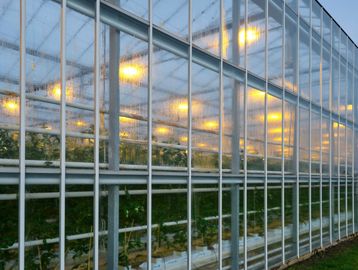
Provides $10,000–$25,000 in grants to support capital projects—including greenhouses—in rural Canadian communities (populations under 150,000).
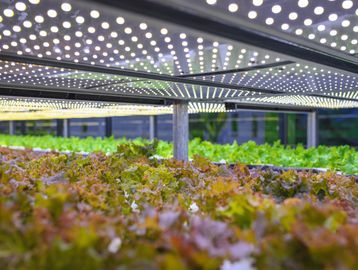
Agriculture and Agri-Food Canada offers non-repayable contributions for large-scale community projects, including indoor farming infrastructure.
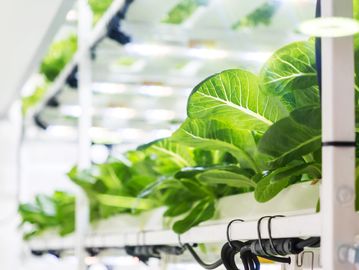
Through the Canadian Food Innovation Network, both programs support innovative indoor farming technologies via grants. Foodtech Next opens with an Expression of Interest on Feb 24; Innovation Booster has rolling rounds in 2025.
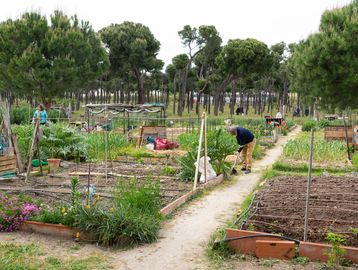
Co-op Community Spaces provides funding from $25,000 to $150,000 for community projects in Western Canada, including green spaces, recreation areas, and urban agriculture initiatives like community gardens or greenhouses. Eligible applicants include non-profits, charities, and community co-ops, with projects needing to be publicly accessible and completed within two years.
Alberta Grants & Rebates

The Red Deer & District Community Foundation provides flexible micro-grants of up to $5,000 on a quarterly basis to local, registered charities and qualified donees. These grants support responsive programming, short-term initiatives, seed funding, equipment purchases, and operational needs—helping organizations adapt quickly to community demands within the Central Alberta region.

Alberta On-Farm Efficiency Program (OFEP): Administered under the Sustainable Canadian Agricultural Partnership (SCAP), OFEP helps Alberta growers invest in environmentally beneficial upgrades with a provincial–federal cost-share model. Eligible applicants—primary producers managing agricultural operations (including greenhouse operators with at least $25,000 in annual farm sales).

The Growing Greenhouses Program supports the growth of Alberta’s controlled-environment agriculture sector by providing cost-shared funding for new and expanded commercial greenhouses and vertical farms. It helps operators boost year-round local food production, improve productivity and adopt efficient technologies that strengthen local food security and stimulate innovation in greenhouse and vertical farming.

The Alberta Environmental Farm Plan is a voluntary, free, whole-farm self-assessment program that helps agricultural producers identify potential environmental risks on their operations and develop site-specific action plans to address them. Participants work with trained regional EFP technicians, keep their information confidential, and receive practical guidance to improve environmental stewardship.
British Columbia Grants & Rebates
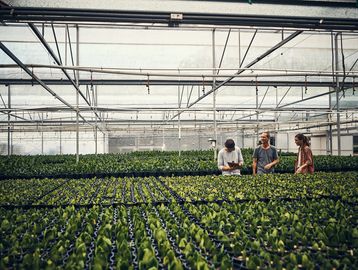
FortisBC Thermal Curtain Rebates help commercial, industrial, and agricultural natural gas customers lower energy costs and reduce heat loss in greenhouses by offering cost-shared rebates for installing qualifying thermal curtains. These energy-saving curtains improve growing conditions and efficiency in facilities heated with natural gas, with rebate amounts based on the area of greenhouse covered.
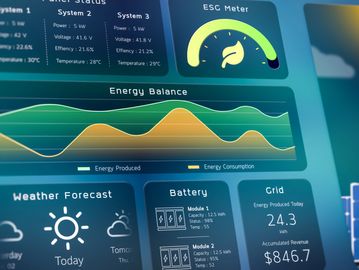
FortisBC Custom Efficiency Program helps agricultural customers reduce energy use and costs by providing tailored support and incentives for energy studies and the implementation of energy-saving measures. The program covers a portion of the costs to identify and install cost-effective natural gas and electricity efficiency improvements specific to your facility, with funding available for both detailed energy analysis and approved project upgrades
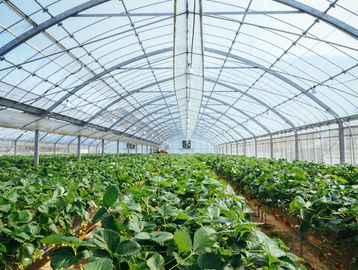
The Canada-BC Environmental Farm Plan (EFP) is a voluntary, confidential program that helps farmers assess environmental risks on their operations and develop practical action plans to improve soil health, water quality, nutrient management, and overall farm sustainability.
Ontario Grants & Rebates

Enbridge assigns a dedicated advisor who helps greenhouse growers identify energy efficiency projects, estimate savings, evaluate new technologies, and guide you through incentive opportunities-for both retrofit and new construction projects.
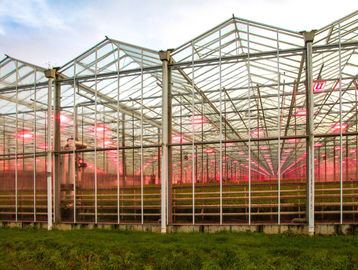
The Save on Energy Retrofit Program, administered by Ontario’s Independent Electricity System Operator (IESO), helps businesses—including greenhouse operations—offset energy costs by upgrading to energy-efficient equipment.
The Canada-Ontario Environmental Farm Plan (EFP) is a voluntary, confidential program that helps farmers assess environmental risks on their operations and develop practical action plans to improve soil health, water quality, nutrient management, and overall farm sustainability.
Manitoba Grants & Rebates

Efficiency Manitoba Custom Energy Solutions helps industrial, commercial, and agricultural facilities improve energy efficiency by identifying tailored opportunities to reduce electricity and natural gas use. The program offers technical support and performance-based financial incentives based on the energy saved, making energy-saving upgrades more affordable while lowering operating costs and environmental impact.

Manitoba Online Environmental Farm Plan (EFP) gives agricultural producers a modern, easy-to-use web-based tool to complete their Environmental Farm Plan at their own pace. The platform guides farmers through a confidential self-assessment of agri-environmental risks and opportunities, helps generate a customized action plan to improve sustainability, and enables submission for review and certification online.
Newfoundland Grants & Rebates

Newfoundland Power’s takeCHARGE program doesn’t include a specific agricultural lighting category, but greenhouse lighting upgrades can still qualify for rebates if they meet the program’s general energy-efficiency requirements.
Quebec Grants & Rebates
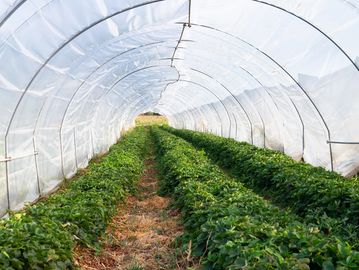
Offers grants covering up to 50% of project expenses for constructing, expanding, or modernizing greenhouses and large tunnels. Eligible funding: $10,000–$50,000 per applicant (up to 60% in certain cases).